Table of Contents
- What Makes Waxoyl Undercoating the Best Choice for Trucks
- How Long Does Waxoyl Last on a Truck?
- Benefits of Waxoyl vs Oil Undercoating: A Side-by-Side Comparison
- Professional Truck Undercoating Services vs DIY Application
- Climate-Specific Performance: Waxoyl in Salt-Heavy Regions
- Compatibility with Existing Rust and Long-Term Maintenance
- Frequently Asked Questions
Last Updated: September 23, 2026
What Makes Waxoyl Undercoating the Best Choice for Trucks
Waxoyl undercoating is a thick, wax-based rust preventive that bonds to a truck’s underbody and cures into a self-healing barrier against road salt and moisture. For truck owners in salt-heavy regions, it has become the benchmark for long-term corrosion protection. This guide from Corrosion Pro Plus breaks down how it performs, how long it lasts, and whether it beats oil-based alternatives.
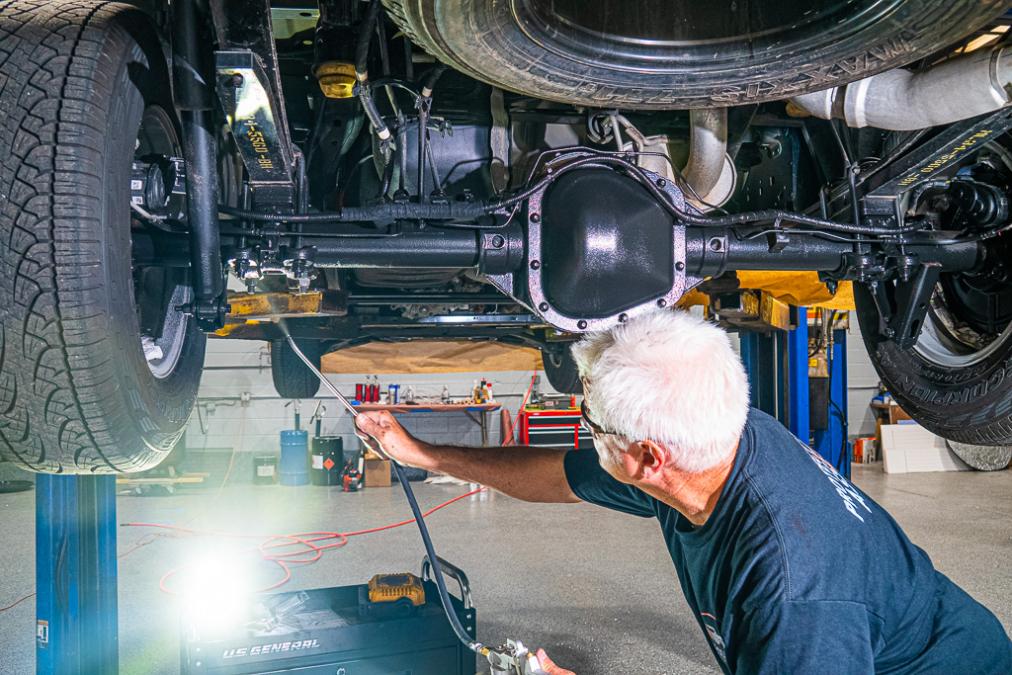
Diagram showing the application process of protective waxoyl undercoating on rear axle and chassis parts
The Science Behind Waxoyl’s Protective Formula
The formula combines refined petroleum waxes with corrosion inhibitors that stay tacky instead of drying hard. That tackiness matters. A flexible film creeps into seams, pinch welds, and boxed sections where rust typically starts, and it resists cracking when the frame flexes. The coating also pushes water away rather than absorbing it, which keeps a moisture barrier intact through repeated freeze-thaw cycles.
Why Trucks Face Unique Corrosion Challenges
Trucks sit higher and work harder than passenger cars, which exposes more of the underbody to spray kicked up from the road. Frame rails, crossmembers, and cab corners collect brine and hold it. Many truck owners find that surface rust appears on the chassis within a few winters without added protection. A durable, spray-on coating addresses the areas factory paint never reaches.
How Long Does Waxoyl Last on a Truck?
A properly applied Waxoyl undercoating typically lasts several years before it needs inspection, and many installations hold up far longer with light touch-ups. Longevity depends less on the product than on prep work and climate.
Factors That Affect Waxoyl’s Lifespan
- Surface preparation: Coating over dirt, loose rust, or grease shortens life dramatically
- Application thickness: Too thin and it wears through; too thick and it sags before curing
- Curing time: The film needs dry, moderate conditions to set properly
- Environmental exposure: Heavy salt use and gravel roads accelerate wear
- Wash habits: Regular undercarriage rinsing removes the brine that attacks the film edges
Real-World Durability: What Truck Owners Report
Owners in northern states commonly report that a single professional application outlasts several seasons of annual oil sprays. The one-time nature of the treatment is the main draw: instead of booking a yearly appointment, drivers get a coating that keeps working until it’s inspected and refreshed. A 30-year automotive veteran put it plainly: “I have rarely come across a product that offers so many advantages over the existing products in an industry until Waxoyl.”
Benefits of Waxoyl vs Oil Undercoating: A Side-by-Side Comparison
Waxoyl wins on durability and mess; oil-based products win on ease of reapplication and upfront cost. Which matters more depends on how long you plan to keep the truck, how much maintenance you’ll tolerate, and whether the underbody already has rust. The table below frames the trade-off, and the sections after it explain the mechanism behind each row.
|
Feature |
Waxoyl (Wax-Based) |
Oil-Based Undercoating |
|---|---|---|
|
Protection duration |
Several years per application |
Roughly one season |
|
Reapplication |
Infrequent inspection and touch-up |
Annual, sometimes twice in heavy brine |
|
Mess and drip |
NONE |
Ongoing drips for weeks |
|
Self-healing |
Yes, stays tacky and re-flows |
Limited; film migrates and washes away |
|
Surface prep tolerance |
Needs clean, dry, no more than lightly rusted metal |
More forgiving of minor residue |
|
Best for |
Long-term owners, fleets, salt-belt trucks |
Budget-conscious, high-turnover, leased vehicles |
How Each Film Actually Fails
The two products fail in opposite ways, and that difference drives the reapplication cadence. An oil-based film stays liquid and migrates, it creeps into seams well, but road spray, detergent from car washes, and repeated wet-dry cycles gradually strip it off the high-impact zones first: wheel arches, the rear crossmember, and the lower frame rails.
Cost of Ownership Over a 10-Year Truck Life
On a per-application basis, oil undercoating is cheaper. On a per-year-of-protection basis, the math flips once you factor in labor or your own time. A truck owner who keeps a vehicle 10 years and reapplies oil every fall is looking at ten separate applications, ten sets of prep work, and ten chances for a missed spot.
Which One Fits Your Truck
- Choose wax-based (Waxoyl) if: you plan to keep the truck five-plus years, you drive in a salt-belt state, you want to stop thinking about undercoating every fall, or you manage a fleet and need a schedulable service.
- Choose oil-based if: you lease, you flip trucks every few years, you want the lowest upfront spend, or you are willing to do an annual DIY application and accept the drips.
- Consider either only after prep: neither product fixes existing rot, and both underperform if applied over flaking rust or grease.
Environmental Impact and Vehicle Compatibility
Wax-based coatings resist chemical exposure from de-icing agents and won’t damage rubber, plastic, or existing paint when applied correctly. Oil products can soften some rubber bushings and body mounts over time and tend to leave residue on driveways and garage floors. For fleet maintenance, the reduced drip and longer service window make wax-based protection easier to manage, and easier to defend to a shop that does not want oil stains on its bays.
Professional Truck Undercoating Services vs DIY Application
Professional application delivers more consistent coverage and prep, while DIY kits suit owners who want a lower upfront commitment. The trade-off is thoroughness: pros reach the frame rails and hidden cavities that rattle-can jobs usually miss.
What to Expect from a Professional Application
A professional service starts with a full underbody wash and inspection, then masks sensitive components before spraying. Technicians apply the coating at a controlled thickness so it penetrates seams and cures evenly. At Corrosion Pro Plus, the process is a one-time application backed by a corrosion guarantee of up to 10 years, so the truck is protected without an annual return visit.
DIY Waxoyl Kits: Are They Worth It?
DIY kits work for light-duty protection on newer vehicles with clean undersides. They fall short on trucks that already have rust, because a spray can can’t push coating into pitted metal or boxed sections. A common mistake is skipping surface preparation, which traps moisture under the film and speeds up oxidation instead of stopping it.
Climate-Specific Performance: Waxoyl in Salt-Heavy Regions
Most undercoating guides treat “salt” as one thing. It isn’t. A truck in the upper Midwest sees concentrated brine sprayed at highway speed and rock salt kicked up by plows, while a truck parked near the coast sees a constant, lower-concentration salt fog that never fully dries. Waxoyl behaves differently in each, and the maintenance schedule should reflect that.
Rust Belt: Brine, Rock Salt, and Freeze-Thaw
In states that pre-treat roads with liquid brine, the underbody is exposed to a chloride solution that stays liquid at lower temperatures than rock salt alone. That brine wicks into frame cavities, boxed sections, and cab corners, then refreezes and expands. A tacky wax film handles this well because it stays flexible through freeze-thaw cycles and does not crack the way a hard-drying coating can.
Coastal and Salt-Air Environments
Coastal exposure is a different problem: it is constant rather than seasonal, and it comes with higher humidity and airborne chloride that settles on every surface. The good news is that coastal trucks rarely see the mechanical abrasion that Rust Belt trucks do, so the wax film tends to last longer on the areas it covers.
Surface Prep: The Step That Decides Whether It Works
This is the gap most guides skip. Waxoyl can be applied over light surface rust, the film seals the area and cuts off the oxygen and moisture that feed oxidation, but it cannot be applied over flaking scale, grease, or wet metal. Trapped moisture under the film accelerates rust from the inside, and you won’t see the damage until it is through the metal.
- Pressure-wash the underbody and let it dry completely, ideally overnight in a dry space.
- Scrape or wire-brush any flaking rust back to sound metal. Do not try to coat over scale.
- Degrease frame rails and any area with oil or transmission fluid residue.
- Mask brake lines, exhaust, and any rubber that should not be coated.
- Apply in dry, moderate conditions so the film can cure rather than trap moisture.
Long-Term Removal and Re-Application
After three to five years, most wax films have thinned in the high-impact zones and may have a dull, dirt-embedded surface. You do not need to strip the entire underbody to refresh it. The practical approach:
- Re-wash and degrease the underbody.
- Spot-treat any area where bare metal is visible or the film has worn through.
- Re-apply a thin coat over the existing film, wax-based products bond to themselves, so a full strip is usually unnecessary.
- If you do need to remove the coating entirely, for a frame repair, for example, a petroleum-based solvent or a heated pressure wash will soften it, followed by a degreaser to remove residue.
Compatibility with Existing Rust and Long-Term Maintenance
Waxoyl can slow existing surface rust, but it cannot reverse corrosion that has already eaten into the metal. On a truck with light surface rust, the coating seals the area and cuts off the oxygen and moisture that feed oxidation. On advanced rot, the metal needs repair first.
Frequently Asked Questions
What is the best undercoating for a truck?
Waxoyl undercoating when properly prepared and applied is often considered the best for trucks because it provides a long-lasting, self-healing barrier against road salt and moisture. Unlike oil-based products that require annual reapplication, Waxoyl forms a durable, waxy film that penetrates existing rust and protects for up to 10 years. For truck owners in salt-heavy regions, a professional Waxoyl application offers superior corrosion protection and peace of mind.
How long does Waxoyl undercoating typically last?
Waxoyl undercoating can last up to 10 years or more when professionally applied and maintained. Factors such as climate, driving conditions, and surface preparation affect longevity. In areas with harsh winters and road salt, a single application can still provide reliable protection for many years. Regular inspections help ensure the coating remains intact and effective.
What are the primary differences between Waxoyl and oil-based undercoatings?
Waxoyl is a wax-based product that dries to a firm, non-drip film, while oil-based undercoatings remain wet and require annual reapplication. Waxoyl offers better durability, does not wash off, and provides long-term rust prevention. Oil-based products penetrate well but attract dust and need frequent touch-ups. For truck owners seeking a one-time solution, Waxoyl is the more efficient choice.
Is Waxoyl a good undercoating for long-term rust prevention?
Yes, Waxoyl is highly effective for long-term rust prevention. Its formula contains corrosion inhibitors that neutralize existing rust and prevent new formation. The coating remains flexible, resisting cracking and peeling even in extreme temperatures. Many truck owners report that a single professional Waxoyl application keeps their undercarriage rust-free for a decade or more, making it a smart investment.
Rust never announces itself. It starts in the seams and cavities you can’t see, then shows up as structural damage years later. Corrosion Pro Plus applies high-performance Waxoyl as a one-time treatment, backed by a corrosion guarantee of up to 10 years and more than 15 years of corrosion protection experience serving drivers, dealerships, municipalities, and fleets. Book your appointment today and give your truck the serious rust protection it needs.